
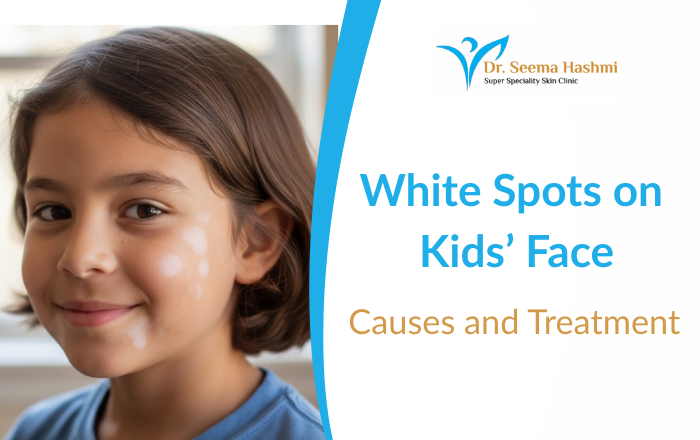
Have you noticed white spots on your child’s face and wondered what’s causing them? If so, you’re definitely not alone. Many parents notice these pale patches on their little one’s cheeks, forehead, or around the mouth and naturally feel concerned.
The good news? Most white spots on kids’ faces are completely harmless and can be treated easily. These spots can show up for different reasons—from dry skin after playing outside to minor fungal infections. Understanding what’s behind those spots is the first step to helping your child’s skin look healthy again.
In this blog, we’ll explain the most common causes of white spots on children’s skin, how to spot the difference between them, and what you can do at home or with a doctor’s help. Let’s dive in and clear up your worries!
Why Do White Spots Appear on Children’s Faces?
White patches on a child’s face can happen for several reasons. Sometimes the skin loses its color temporarily, other times it’s due to dryness or a mild infection. Here are the main factors:
- Dry skin conditions
- Fungal infections
- Loss of skin pigmentation
- Sun exposure
- Skin conditions like eczema
Now let’s look at each cause more closely so you can figure out what might be happening with your child.
Common Causes of White Spots on Kids’ Faces
1. Pityriasis Alba (Dry Skin Patches)
This is the most common reason for white spots on kids’ faces. Pityriasis alba shows up as light, slightly dry patches, usually on the cheeks. It affects children between ages 3 and 16, especially those with dry skin.
These patches become more visible after sun exposure because the affected areas don’t tan like normal skin. The good news? They’re not contagious and usually fade away on their own within several months.
What helps: Keep the skin moisturized, use gentle soap, and always apply sunscreen.
2. Tinea Versicolor (Fungal Infection)
This condition happens when yeast naturally living on the skin grows too much. It creates light or slightly dark patches with fine scales. Heat, humidity, and sweating can trigger it.
White spots on toddler’s face from tinea versicolor are not easily spread from person to person, so don’t worry about keeping your child away from siblings or friends.
What helps: Antifungal creams or shampoos usually clear this up in a few weeks.
3. Vitiligo
Vitiligo causes smooth white patches with clear edges. It happens when the skin loses the cells that make color (melanin). This condition can run in families and may slowly spread to other body areas.
While vitiligo is harmless, it’s permanent in most cases. Some treatments can help restore color or prevent spreading.
What helps: Special creams, light therapy, or simply protecting the spots from sun damage.
4. Eczema-Related Light Spots
Sometimes after eczema heals, it leaves behind lighter patches of skin. If your child has allergies or asthma, they’re more likely to get eczema.
These white discolored areas on baby’s cheeks may feel dry or itchy and often get worse in winter.
What helps: Regular moisturizing, avoiding irritating soaps, and treating eczema flare-ups quickly.
5. Milia
These are tiny white bumps (not flat spots) that look like small pearls under the skin. They’re very common in newborns and babies.
Milia happens when dead skin cells get trapped under the surface. They don’t hurt or itch.
What helps: Nothing! They go away on their own, usually within a few weeks.
How to Tell What Type of White Spot Your Child Has
Ask yourself these questions:
- When did they appear? After sun exposure? After a rash healed?
- What do they look like? Flat or bumpy? Smooth or scaly?
- Do they itch? Itchy spots often mean eczema or dry skin
- Are they spreading? Fast-spreading spots need a doctor’s check
- Where are they? Just the face or other body parts too?
These clues help you understand if it’s simple dry skin or something that needs medical attention.
Simple Home Care for White Spots
For Dry Skin Patches:
- Apply fragrance-free moisturizer twice daily
- Use gentle, soap-free cleansers
- Give lukewarm baths (not hot)
- Use a humidifier in your child’s bedroom
- Apply sunscreen daily (SPF 30 or higher)
For General Skin Health:
- Pat skin dry gently instead of rubbing
- Moisturize right after bath time
- Choose soft, breathable cotton clothes
- Avoid scented lotions or harsh detergents
Important: Always check with your pediatrician before trying new treatments, especially on young children.
When Should You See a Doctor?
Most white spots on children’s skin are harmless, but sometimes you need professional help. See a doctor if:
- Spots spread quickly
- Your child feels pain, itching, or discomfort
- Spots don’t improve after 3-4 weeks of home care
- You notice fever or other symptoms
- The spots bother your child emotionally
- You’re worried it might be a fungal infection
A dermatologist can examine the spots, possibly do a simple skin test, and recommend the right treatment.
Medical Treatments Your Doctor Might Suggest
Depending on the cause, your doctor may recommend:
- Antifungal creams for tinea versicolor (usually clears up in 2-4 weeks)
- Mild steroid creams for eczema or pityriasis alba
- Special creams for vitiligo
- Moisturizing treatments for very dry skin
- Light therapy for certain conditions
Most conditions improve within a few weeks to months with proper treatment. Some, like vitiligo, may need ongoing care.
Keeping Your Child’s Skin Healthy
Prevention is always better than treatment! Here’s how to protect your child’s skin:
- Use sunscreen every day, even when cloudy
- Keep skin moisturized year-round
- Bathe with gentle, fragrance-free products
- Don’t over-wash—once a day is usually enough
- Feed your child plenty of fruits and vegetables
- Make sure they drink enough water
Frequently Asked Questions
Q1. Are white spots permanent? Most white spots on kids’ faces fade away with time and treatment. Pityriasis alba usually disappears within 6-12 months. Fungal infections clear up in weeks. Vitiligo may be long-lasting but can be managed.
Q2. Can white spots spread to other children? Most types aren’t contagious. Pityriasis alba, vitiligo, and eczema don’t spread from person to person. Only some fungal infections can spread, but this is uncommon.
Q3. Will sun exposure make them worse? Sun actually makes white spots more noticeable because the surrounding skin tans while the affected areas stay pale. Always use sunscreen on your child’s face.
Get Help for Your Child’s Skin in Kondhwa
If your child has persistent white spots on their face that worry you, it’s time to get a proper diagnosis and treatment plan.
Dr. Seema Hashmi, a skilled Skin specialist in Kondhwa, treats various skin conditions in children, including pityriasis alba, tinea versicolor, vitiligo, and eczema. With a gentle, caring approach, Dr. Hashmi helps parents understand what’s causing their child’s skin changes and provides effective treatment options.
Don’t let those white spots worry you anymore. Book a consultation with Dr. Seema Hashmi today for the right care your child needs.
📍 Located conveniently in Kondhwa ✅ Experienced in treating children’s skin conditions ✅ Gentle, child-friendly appointments ✅ Clear explanations and practical solutions
Contact Dr. Seema Hashmi’s clinic today to schedule your visit for white spots on face treatment!